Understanding 316L surgical steel in our jewelry
We build our core piercing jewelry from solid 316L surgical steel. This specific grade provides the rigidity needed for reliable threads, smooth hinges, and clean stone settings across our barbells and clickers. The alloy accepts a mirror polish that leaves posts smooth to the touch, providing a stable foundation for raw metallic pieces and color-coated finishes alike.
The composition of 316L surgical steel
The L in 316L stands for low carbon. Keeping carbon levels below point zero three percent prevents the alloy from forming chromium carbides during manufacturing. Chromium remains free throughout the metal lattice, reacting with environmental oxygen to form an invisible, passive chromium oxide surface layer. That passive layer gives the steel its resistance to rust and tarnishing when exposed to daily moisture.
We use this hypoallergenic material for our 14G straight and curved barbells, as well as our 16G, 18G, and 20G clicker hoops. The metal is strong enough to hold precise internal threads and tight hinge tolerances without bending or warping over time. It holds its shape during daily wear, keeping threaded ends secure and curved posts aligned with their matching balls and bezels.
Mirror polishing and post texture
Raw machined steel shows microscopic tooling marks under magnification. We run every post, ball, and segment through multiple stages of mechanical polishing until the metal achieves a bright mirror surface. A level polish removes sharp micro-ridges along the post shaft. That mechanical smoothing ensures the jewelry feels uniform when handled, with no rough spots along the wearable length of the barbell or ring.
A mirror finish also protects the metal itself. By flattening microscopic peaks and valleys across the surface, we reduce the surface area where grime, sweat, and oils can lodge. Polishing cleans up the metal around prong mounts and bezel cups that hold our cubic zirconia stones. It also gives the steel a neutral, bright silver tone that does not flake, chip, or dull under regular wear.
Color plating over steel bases
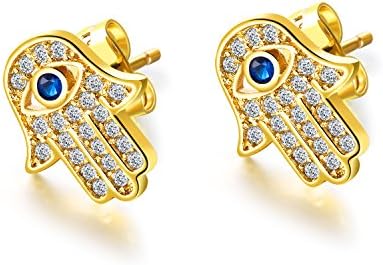
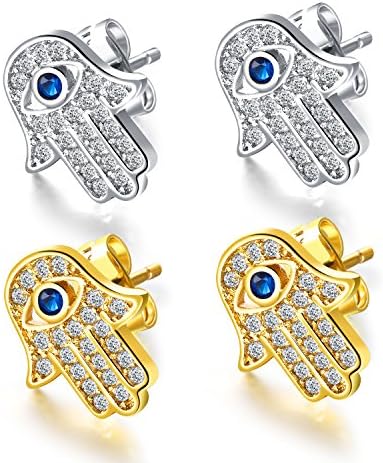
Our yellow gold, rose gold, and black jewelry starts with the exact same solid 316L steel base. We apply these colors through physical vapor deposition, a vacuum process that deposits a thin, bonded color layer directly onto the polished steel post. This coating adheres tightly to the metal substrate. It reproduces the exact warmth of gold or deep black without changing the underlying strength of the steel core.
Plating layers remain thin, measuring only a few microns thick. Physical abrasion will wear that outer color down over time. Friction from grit, rubbing against other hard jewelry, or exposure to harsh household chemicals will thin the finish, eventually revealing the grey steel beneath. Rinsing a plated piece in clean water and patting it dry with a soft cloth helps preserve the outer tone across years of handling.
Natural stones and organic materials
Beyond solid steel, our stretched ear collection features plugs and tunnels carved from organic materials. We turn natural black obsidian and green jade into double-flared and single-flared plugs ranging from 6mm up to 25mm. Natural stone has weight and density that feel distinct from metal. Each stone plug features a polished wearable saddle that rests cleanly against the earlobe without sharp edges along the flare.
Stone requires gentle care compared to dense surgical steel. Mineral pieces can fracture if dropped onto hard tile or ceramic bathroom counters. Stone plugs should be wiped clean with a damp, soft microfiber cloth and dried immediately with a towel. We avoid ultrasonic cleaners and abrasive pastes on natural stone, as harsh treatments can etch the smooth mineral polish or force moisture deep into natural micro-fissures.
Sterling silver pieces and moisture care
Our holiday runs and select ear pendants incorporate solid 925 sterling silver into their decorative drops and charms. Sterling silver contains ninety-two point five percent pure silver alloyed with copper for rigidity. Unlike 316L steel, copper in sterling silver reacts with airborne sulfur compounds over time, causing a natural dark surface tarnish that builds up if pieces sit idle in open air.
Maintaining silver requires simple moisture control. After wiping the pendant with a damp cloth to lift surface dust, dry it completely using a soft cotton towel before storing it. A standard jeweler polishing cloth removes light oxidation from silver surfaces without scratching adjacent cubic zirconia settings. Keep sterling components dry, and store them away from humid bathroom air to keep the bright silver luster clear.
The short version
- 316L surgical steel features low carbon content to maintain a stable chromium oxide layer that prevents surface rust.
- Mechanical mirror polishing smooths the wearable post shaft and eliminates microscopic ridges around threads and stone bezels.
- PVD color coatings add gold, rose gold, and black tones over our steel cores without altering post dimensions.
- Natural stone plugs and sterling silver pendants need prompt hand drying with soft towels to protect their finished surfaces.